
Changing People’s Behaviors to Activate Strategies at Scale
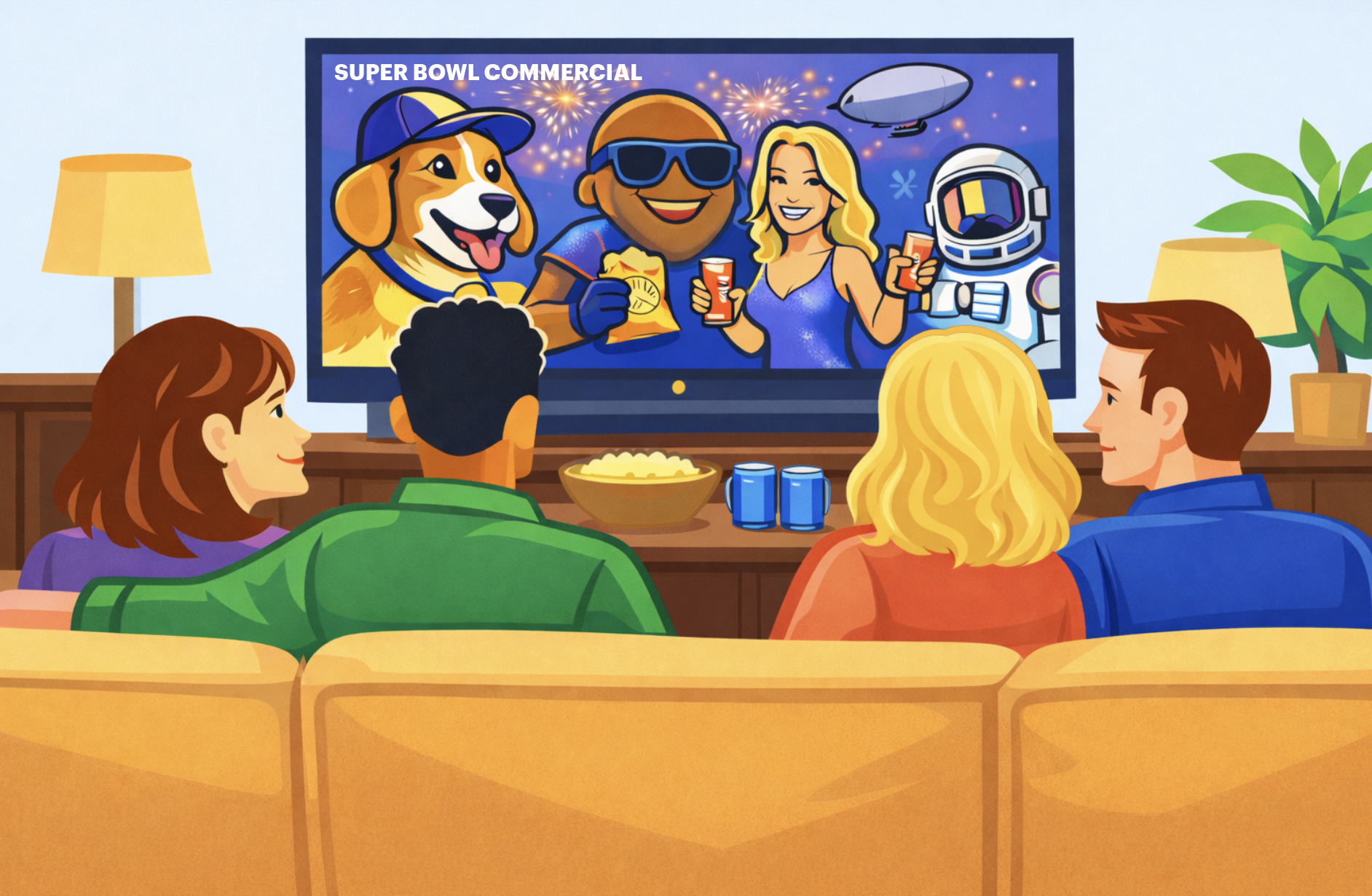
Super Bowl commercials. They’re 30 seconds long and cost $8 million. Yet there is plenty of willingness by companies to pay this fee. Why? Behavior change. We don’t invest that kind of money for awareness alone. We do it because we believe that if we can influence how people feel and think, we can influence what they do – and what they engage with, choose, and buy.
The marketing world intuitively understands this reality. We can’t tell people what to do. It’s about creating energy. Momentum. Emotional connection. It’s about making something memorable, “sticky,” and compelling enough that people take action.
Now consider an organization with an enterprise strategy to roll out and everything on the line. If we don’t get this right, we’re going to be left behind. How do we approach building a sense of urgency and a desire to change behavior? A cascade deck, a town hall, and a memo. We assume that if people understand it or hear it from the top, they’ll act. Clarity equals compliance.
But compliance isn’t commitment. And without commitment, workarounds win.
Strategy activation is behavior change – no different from brand activation. If we want employees to truly buy in – to help us shift the course of an entire organization – we have to make the vision compelling, relevant, and personal. Not just what we’re doing, but why it matters and the role they play.
We don’t design advertising for compliance. We design for belief. What if we did the same with strategy?
Super Bowl ads aren’t just fun to watch – they change behavior. And your strategy rollouts could do the same.
Stick around over the next few weeks, and we’ll talk about a better way to activate strategies at scale, and we’ll show the evidence that backs it up.